Before ordering a replacement pitot tube, rotor assembly or complete alternative pump, collect the nameplate data, photographs and a few key dimensions. This guide shows what to record so the part or pump can be identified quickly and correctly.
The nameplate is the fastest route to identification. Photograph it straight on, in good light, before cleaning or dismantling the pump. Record:
If the plate is missing or unreadable, photograph cast markings on the casing and cover, and any part numbers stamped on the removed components.
Front, side and top views of the pump, motor and baseplate, showing nozzle positions and the coupling guard.
Suction and discharge connections with a tape measure in the picture, so size, bolt pattern and orientation can be read.
The pitot tube or rotor assembly from several angles, including worn areas, sealing faces and any stamped numbers.
Dimensions confirm what the nameplate and photographs suggest. Measure what is accessible without risk, and state the units used.
| Item | What to record | Why it matters |
|---|---|---|
| Suction and discharge nozzles | Nominal size, flange standard and pressure rating, bolt pattern, orientation. | Defines whether existing piping can be retained. |
| Shaft and coupling | Shaft diameter, keyway, coupling type and spacer length. | Confirms the drive connection and alignment scope. |
| Baseplate | Overall length and width, anchor bolt pattern, height to shaft centerline. | Shows whether the foundation can be reused. |
| Pitot tube (pick-up tube) | Overall length, inlet tip geometry, mounting and sealing dimensions, material. | Matches the replacement tube to the assembly. |
| Rotor assembly | Outside diameter, bore and mounting dimensions, cover fit, material. | Matches the rotating assembly and its interfaces. |
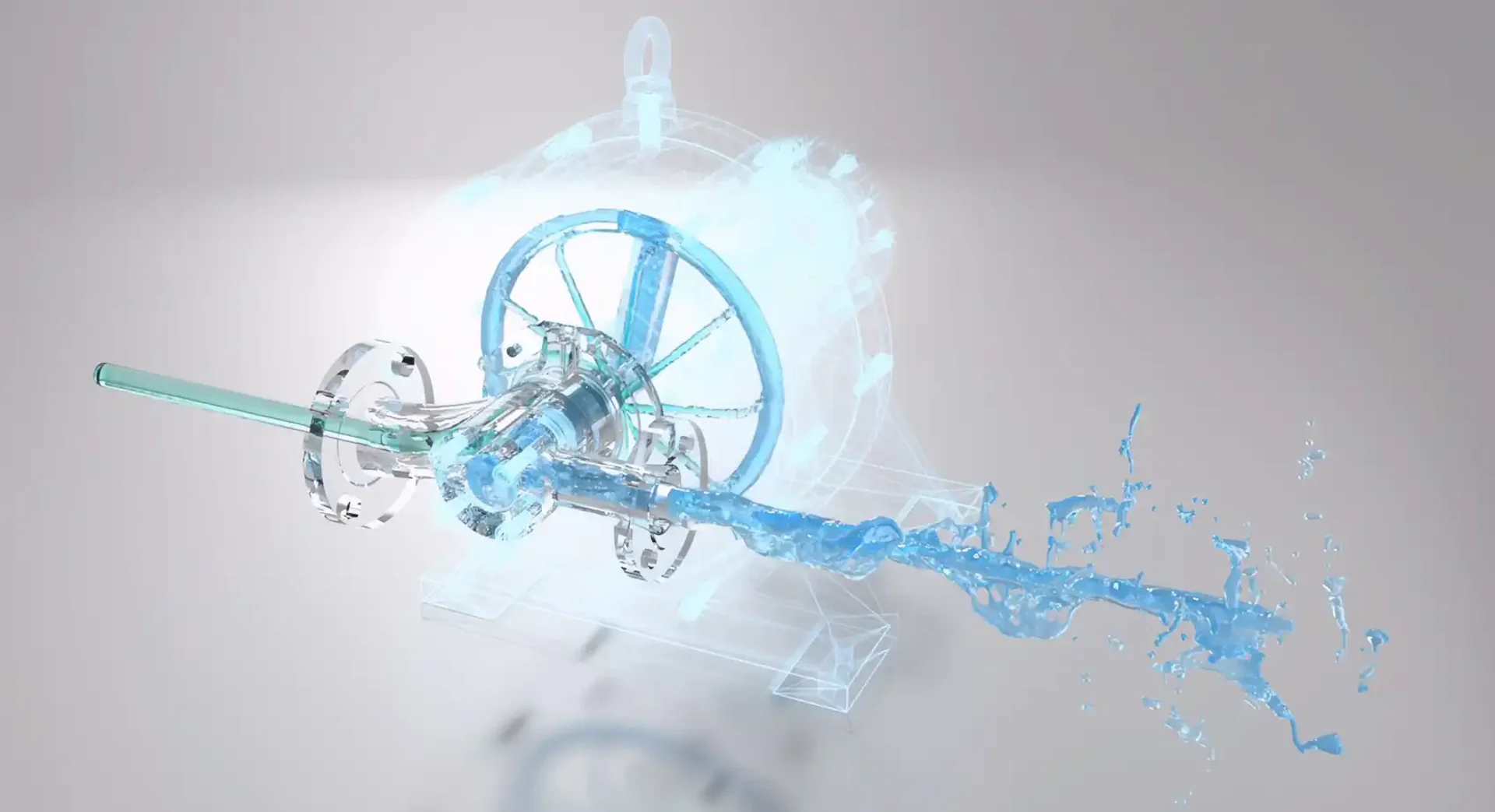
The stationary tube collects liquid from the rotating casing and converts velocity into pressure. Erosion or damage at the inlet tip can reduce the pressure the pump develops.
The rotating casing carries the liquid at high speed. Corrosion, erosion, imbalance or damaged fits can show up as vibration, noise or reduced performance.
For seals, bearings, covers and other items, send a customer drawing or the old part so dimensions and material can be established.
We regularly supply replacement pitot tubes and rotor assemblies. Most models in these two categories are available from stock; non-stock items have a manufacturing lead time of 30 working days.
Even for a parts order, the service conditions help confirm material and fit. Note the fluid, temperature, suction and discharge pressure, normal flow, and any change in performance before the part was removed. For a complete pump replacement, the full duty range and fluid data are required; see the high pressure low flow pump guide for the data list.
When the whole Roto-Jet pump is being replaced with an alternative, compare the installed unit and the proposed configuration item by item.
| Comparison item | Installed Roto-Jet pump | Proposed alternative |
|---|---|---|
| Hydraulic curve and duty | Record the model, curve, rated point and actual minimum, normal and maximum flow with suction and discharge conditions. | Compare the proposed curve across the required flow range, including head, power and suction requirements. |
| Speed and drive | Record shaft speed, motor power, coupling, gearbox where fitted, and control method. | Specify the drive arrangement and compare speed, power, coupling and control requirements. |
| Materials and seals | Identify wetted materials, elastomers, seal arrangement and available flush or utility connections. | Match material and seal selection to the fluid, temperature and plant requirements. |
| Installation interfaces | Measure nozzle size and orientation, connection standard, base, coupling and available space. | Compare installation drawings and define piping, base, drive or utility changes. |
The Roto-Jet pump replacement process explains how this comparison becomes a quotation, and how pitot tube pumps work covers the shared operating principle.
The model and serial number are normally on the pump nameplate. If the plate is missing, send photographs of cast markings, stamped part numbers and the key dimensions listed on this page.
Often, yes. Photographs, measured dimensions and the old part help establish the geometry. For components other than pitot tubes and rotor assemblies, a customer drawing or the old part is required.
Visible erosion or damage at the inlet tip, and a drop in discharge pressure at the same speed and flow, can indicate pitot tube wear. Inspect the part and compare with the original performance before ordering.
No. EHIK pumps are an independent alternative that uses the same pitot tube principle. Suitability for a specific installation is confirmed by comparing duty, materials and dimensions.
Email the nameplate photo, part photographs, dimensions and quantity. We will confirm the part or propose a complete pump alternative.