Carbon black processing applications often require reliable pumping solutions for difficult liquids, high pressure requirements, and demanding operating conditions.
Pitot tube pump technology can be evaluated for selected carbon black process applications requiring high pressure and low flow performance.
Request Engineering Review Submit Pump Requirements
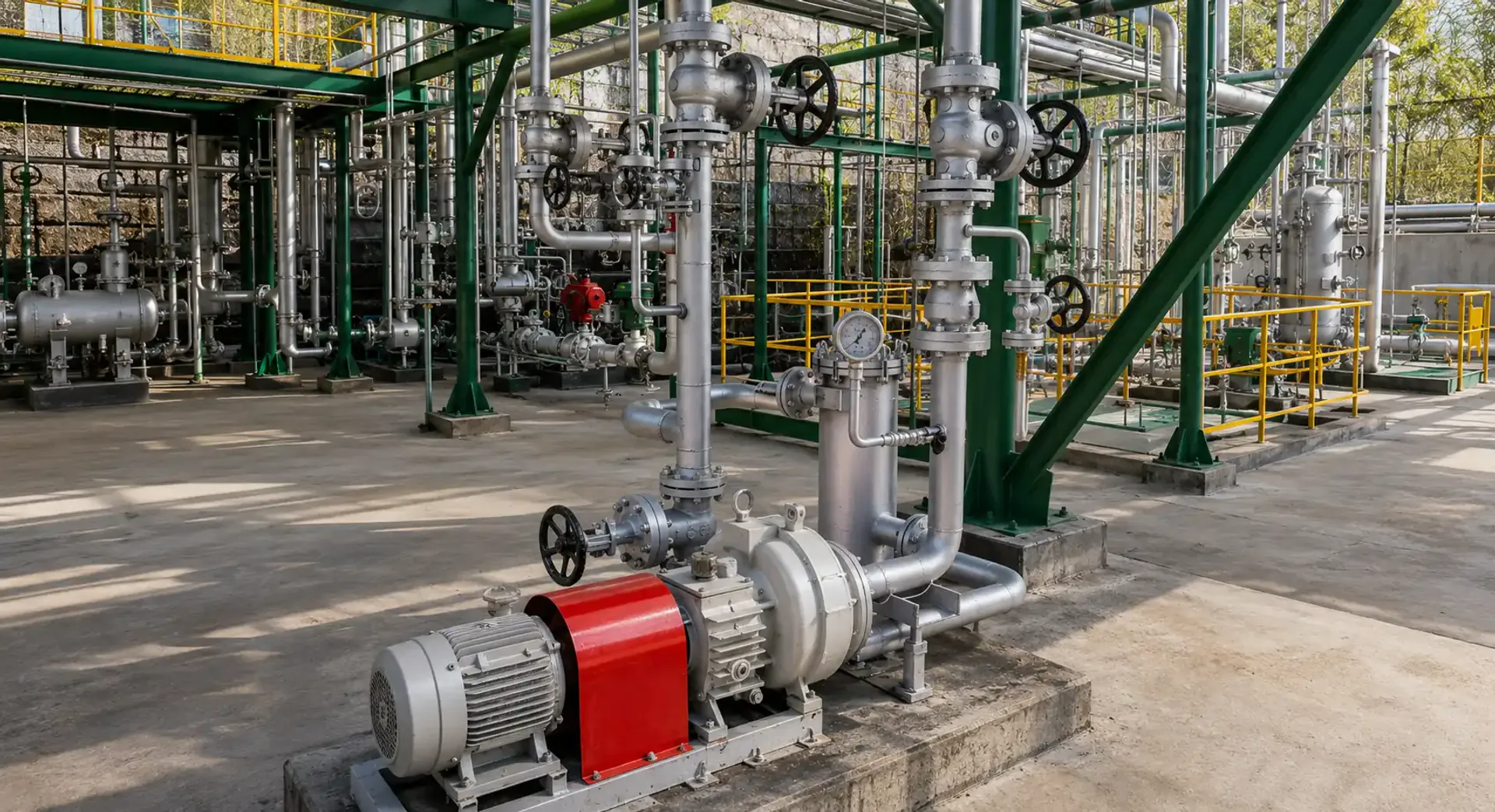
Carbon black processing can involve difficult liquid handling, contamination concerns, and continuous industrial operation. Pump selection should account for the actual process conditions instead of relying on a general pump type alone.
Viscosity can affect pump selection, performance expectations, seal choice, and operating stability.
Fluid behavior, contamination, and process variation should be reviewed before recommending a pump configuration.
Solids, process residue, and contamination risks can influence material selection and maintenance planning.
Duty cycle, uptime expectations, and process reliability requirements should be included in the review.
Maintenance history, seal service, and parts accessibility can affect replacement or upgrade decisions.
Pitot tube pump technology may be reviewed for selected carbon black pump applications where high pressure low flow capability, application-specific configuration, and performance review are important to the process.
The duty point should be reviewed to confirm pressure, flow, and operating range requirements.
Pump configuration should reflect the process fluid, installation constraints, and project requirements.
Materials should be selected based on corrosion risk, solids exposure, temperature, and site standards.
Seal configuration depends on fluid properties, pressure, temperature, and operating conditions.
Performance should be evaluated using flow, pressure, fluid data, and current process requirements.
Normal, minimum, and maximum operating flow.
Required discharge pressure, total head, and suction conditions.
Normal and maximum operating temperature.
Viscosity at process temperature when available.
Solid concentration, particle details, and contamination notes.
Entrained gas or vapor conditions that may affect operation.
Fluid chemistry, corrosion risk, and material standards.
Duty cycle, control method, site limits, and maintenance history.
Engineers may review pitot tube pumps as a high pressure low flow pump option for carbon black processing when the application requires difficult liquid pump evaluation, replacement project review, or custom engineering support.
Different pump technologies can be compared against the same duty point and process requirements.
Existing pump data, maintenance issues, and performance concerns can guide replacement review.
Materials, seals, configuration, and performance expectations should be reviewed before quotation.
Review pitot tube pump technology, operating range, and engineering selection support.
Evaluate Roto-Jet replacement review for selected industrial applications.
Review pitot tube pump technology as an alternative for selected multistage pump applications.
Define the minimum, normal, and maximum flow together with suction pressure, discharge pressure or head, temperature, fluid composition, and operating schedule. The process step and expected changes during startup or production should also be identified.
These conditions can influence hydraulic performance, power demand, wear exposure, clearances, and sealing behavior. Provide normal and limiting values, particle information, and the expected contamination level for engineering review.
Identify the complete fluid composition, abrasive or corrosive constituents, temperature range, solids concentration, and plant material specifications. Seal selection also requires pressure, shaft arrangement, flush or utility details, and leakage control requirements.
Engineering checks the complete duty range against fluid viscosity, solids and gas content, suction conditions, materials, seals, and the process control method. A pitot tube pump is considered only when those conditions support the technology.
Provide the current pump model, nameplate, curve, actual operating points, motor data, materials, seal arrangement, drawings, and maintenance history. Describe plugging, wear, leakage, vibration, or process changes that prompted the review.
Send your flow rate, pressure or head, fluid data, viscosity, solids content, material requirements, and current pump details for engineering review.