Pitot tube pump technology provides engineered solutions for selected high pressure, low flow, and high head industrial applications. Suitable applications require pressure performance, stable operation, and pump selection review.
Request Pump Selection Review View Pitot Tube Pump
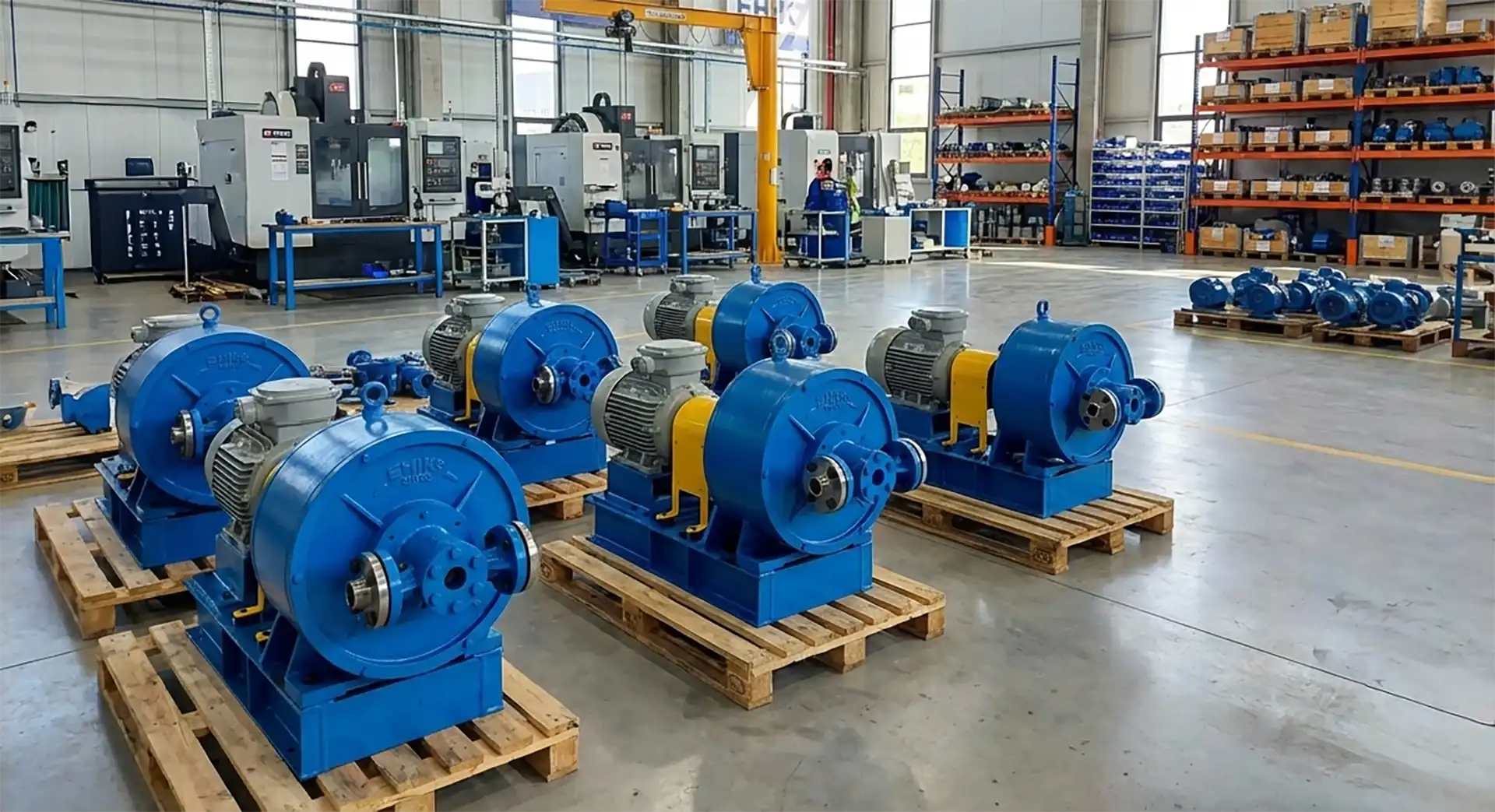
A high pressure low flow pump is designed for applications requiring a low flow rate, high pressure or high head performance, industrial process reliability, and specialized pump selection. These applications often require careful review of the duty point and fluid conditions.
Pitot tube pumps are one technology option for selected high pressure low flow pump applications where engineering review confirms suitability.
Controlled flow requirements should be evaluated against the normal, minimum, and maximum operating range.
Pressure or head requirements should be confirmed with actual process conditions and performance expectations.
Duty cycle, reliability needs, controls, materials, and site standards influence pump selection.
Selection should include fluid properties, suction conditions, temperature, viscosity, and sealing requirements.
Compared with conventional pump configurations, the pitot tube pump working principle uses velocity energy conversion to generate pressure. For selected applications, this can provide a simplified hydraulic configuration, application flexibility, and a clear basis for engineering evaluation.
The rotating casing accelerates liquid, and the stationary pitot tube converts velocity energy into discharge pressure.
The hydraulic arrangement may be reviewed when engineers want an alternative approach for selected high pressure duties.
Pitot tube pumps can be evaluated for industrial process applications, replacement projects, and difficult liquid conditions.
Final selection depends on the duty point, fluid data, materials, seals, and operating conditions.
Low flow high head pump applications often appear in industrial services where pressure performance and reliable operation must be reviewed together.
Normal, minimum, and maximum operating flow.
Required discharge pressure, total head, and suction conditions.
Fluid name, chemistry, vapor pressure, and compatibility requirements.
Normal and maximum operating temperature.
Viscosity at operating temperature when available.
Entrained gas amount and process variation.
Solids, slurry, contamination, particle size, and concentration.
Material compatibility, corrosion risk, and site standards.
Seal arrangement should match pressure, temperature, fluid, and safety requirements.
For certain applications, engineers may evaluate pitot tube pump technology as an alternative approach. A single stage high pressure pump configuration can be reviewed when the process requires high pressure at controlled flow and the full application data supports the selection.
As a high pressure centrifugal pump alternative, pitot tube pump technology should be evaluated objectively against the required duty point, operating conditions, materials, and maintenance expectations. Related engineering paths include a Roto-Jet replacement review and a multistage pump replacement evaluation.
0.22 - 308 GPM
Up to 3280 ft
Up to 500°F
Application dependent
Actual performance depends on application conditions and engineering review.
It is a duty where the process requires substantial differential pressure or head at a comparatively limited flow rate. The practical boundary depends on the process, fluid, system curve, and available pump technologies.
Review the full flow range, suction and discharge conditions, system resistance, fluid composition, temperature, viscosity, specific gravity, gas or solids content, materials, seals, and control method.
Those values do not define suction margin, fluid behavior, off-design operation, material compatibility, or mechanical requirements. Selection should use the complete duty and process data rather than a single rated point.
They can change hydraulic performance, power demand, suction behavior, wear exposure, materials, and sealing requirements. Their normal and limiting values should be included in the engineering data.
It may be included for selected low-flow, high-head duties or when an existing pump arrangement is under review. Engineers should compare the required operating range, suction conditions, fluid properties, mechanical layout, and lifecycle requirements.
Send your flow rate, pressure or head, fluid properties, temperature, viscosity, materials, and seal requirements for engineering review.