Roto-Jet and Alternative Pitot Tube Pumps: Configuration Comparison

Compare your installed Roto-Jet pump with a proposed alternative using the duty curve, drive, materials, seals and mechanical interfaces. This guide organizes the data needed for a useful equipment comparison.

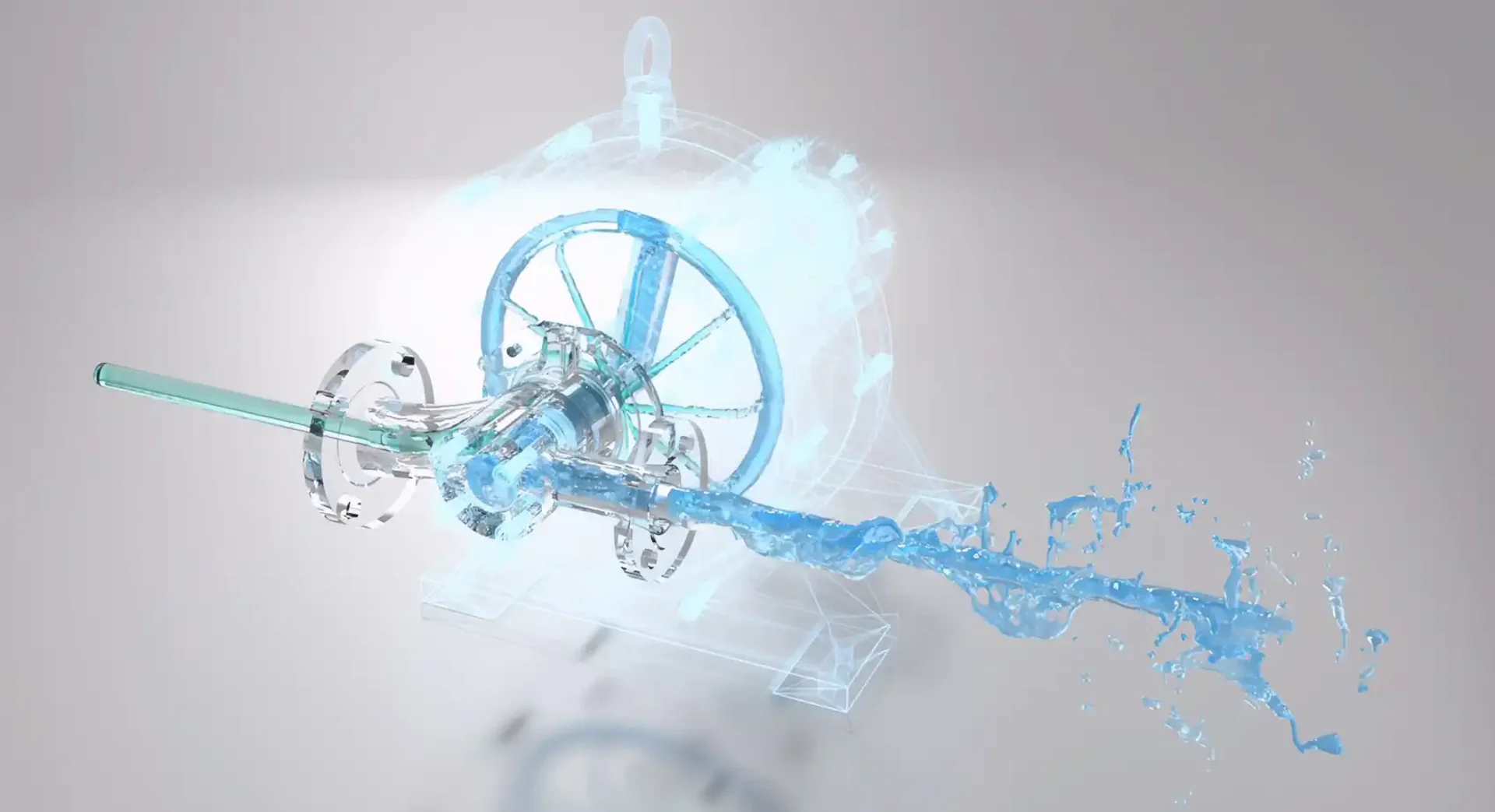
Engineering comparison illustration between pitot tube pump and Roto-Jet technology

One Pitot Tube Principle, Specific Equipment Configurations

Roto-Jet is a brand of pitot tube pump. Roto-Jet pumps and our alternative pumps use the same basic hydraulic principle: a rotating casing adds energy to the liquid, and a stationary pitot tube (pick-up tube) collects the moving liquid and converts velocity energy into discharge pressure.

Compare how each unit is configured for the installation: its curve, speed, materials, seals, dimensions and service requirements. See how pitot tube pumps work for the operating sequence.

Compare the Installed Pump and the Proposed Alternative

Equipment data for a Roto-Jet replacement comparison
Comparison itemInstalled Roto-Jet pumpProposed alternative
Hydraulic curve and dutyRecord the model, curve, rated point and actual minimum, normal and maximum flow with suction and discharge conditions.Compare the proposed curve across the required flow range, including head, power and suction requirements.
Speed and driveRecord shaft speed, motor power, coupling, gearbox where fitted, and control method.Specify the drive arrangement and compare speed, power, coupling and control requirements.
Process fluid and temperatureRecord composition, density, viscosity at temperature, vapor pressure, gas and solids content.Use the same fluid and temperature data to define the hydraulic and material selection.
Materials and sealsIdentify wetted materials, elastomers, seal arrangement and available flush or utility connections.Match material and seal selection to the fluid, temperature and plant requirements.
Installation interfacesMeasure nozzle size and orientation, connection standard, base, coupling and available space.Compare installation drawings and define piping, base, drive or utility changes.
Pitot tubes and rotor assembliesIdentify the pump model and serial number, part number or name, dimensions and material.Match the replacement component to its assembly using identification, drawings and dimensions.
Maintenance and supplyDescribe wear, seal service, maintenance access, required parts and planned outage date.Define the service scope, component quantities, manufacturing needs and dispatch arrangements.

Use the Comparison to Define the Work

For a complete pump replacement, turn the comparison into a selected configuration and an installation scope. For parts, use the assembly identity, material and dimensions to define the component order.

The Roto-Jet replacement solution sets out the project inputs and the steps through manufacturing and dispatch. Send a parts inquiry when the required component is already identified.

Frequently Asked Questions

What is the relationship between Roto-Jet and pitot tube pumps?

Roto-Jet is a pitot tube pump brand. Both the installed Roto-Jet equipment and our alternative pumps use a rotating casing and a stationary pick-up tube to develop discharge pressure.

Which curve data should be compared?

Use the required flow range, head or differential pressure, suction conditions and fluid properties. Compare the curves with their stated speed and fluid basis, and include power and suction requirements.

How are replacement components matched?

Identify the pump model and serial number, part number or name, material and assembly dimensions. Drawings, photographs and old parts help establish the geometry and interfaces for the replacement.

Which differences belong in the installation scope?

Record changes in nozzles, connection standards, base dimensions, coupling, motor, controls, seal utilities and maintenance access. These define the installation work alongside the selected pump configuration.

Compare Your Installed Equipment

Send the current curve and drawings for a complete pump, or the part identity and quantity for a component.